

1. Feed, Food and Forage analysis
Dry Matter (DM)
Dry matter is the dehydrated component of the feedstuff.
NDF (Neutral Detergent Fiber)
Our NDF analysis quantifies the total cell wall content, and represents the total fiber component which includes cellulose, hemicelluloses, and lignin. This gives a clear measure of forage intake potential.
ADF (Acid Detergent Fiber)
ADF testing identifies the component of the feedstuff that is indigestible which corresponds to the level of cellulose and lignin in the plant. The higher the ADF value, the more indigestible the feedstuff.
ADL (Acid Detergent Lignin)
Our ADL analysis measures lignin, the indigestible component that restricts forage digestibility. This data empowers you to select and manage forages with higher feeding value.
Crude Fiber
Crude fiber analysis provides a traditional measure of fiber component in feeds. The compounds removed are predominantly protein, sugar, starch, lipids, and portions of both the structural carbohydrates and lignin. It offers a baseline for evaluating forage quality and balancing diets.
Crude Protein
We assess crude protein to determine the total nitrogen content, a key driver of animal growth and milk yield. This ensures your feed delivers the protein levels required for optimal performance.
Macro & Micro Minerals
Our mineral profiling covers essential macro elements like calcium and phosphorus, plus trace minerals critical for growth and development. This ensures balanced nutrition, fertility, and immune strength
Heavy Metals
We test for heavy metals screening upholds quality and safety which guarantees feed / forage safety and compliance with international standards. This protects from toxicity risks.
Vitamins
Vitamin analysis confirms the presence of organic compounds that support variety of metabolic processes. This ensures your feed formulations deliver complete nutrition.
Ether Extract
Ether extract determines crude fat by extraction with petroleum ether or other common fat solvents. The compounds extracted are predominantly triacylglycerides along with small amounts of other lipids
Total Tannins
Determines the overall concentration of tannins (a type of polyphenol) in a plant-based samples. We measure tannins to evaluate their impact on protein availability and feed palatability. This helps you balance anti nutritional factors with potential benefits.
In Vitro Organic Matter Digestibility (IVOMD)
IVOMD analysis simulates rumen digestion to determine how much organic matter animals can truly utilize. This provides a reliable indicator of forage feeding value.
2. Soil Analysis
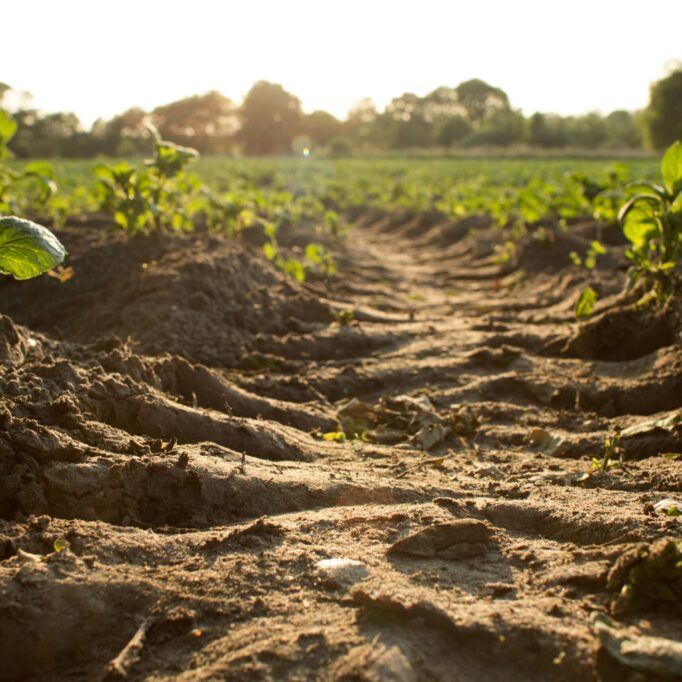
• Soil fertility and nutrient analysis
• pH, salinity, and organic matter evaluation
• Identification of soil limitations affecting plant growth
• Supports fertiliser and lime recommendations
• Improves nutrient efficiency and soil health
• Assists with vegetation establishment and land rehabilitation
• Supports sustainable agricultural and environmental management .
3. Plant Material Analysis
(Tissue, Sap, Forage, Feed & Fruit Quality)
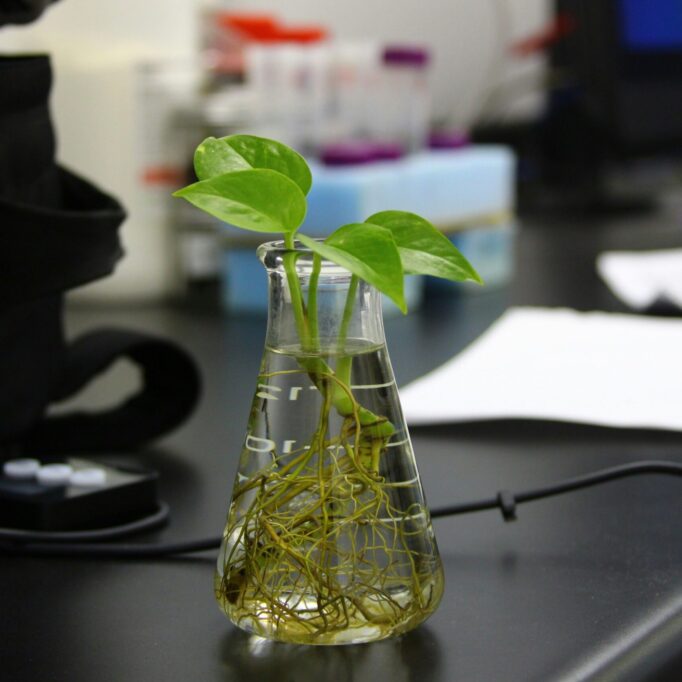
• Evaluates plant health and nutrient uptake
• Detects nutrient deficiencies and imbalances early
• Identifies plant stress before visible symptoms occur
• Supports fertiliser and foliar programme optimisation
• Assesses forage and feed quality
• Monitors vegetation establishment and rehabilitation success
• Supports agricultural, pasture, and environmental management systems
Water Analysis
(Irrigation, Foliar, Livestock & Human Consumption)
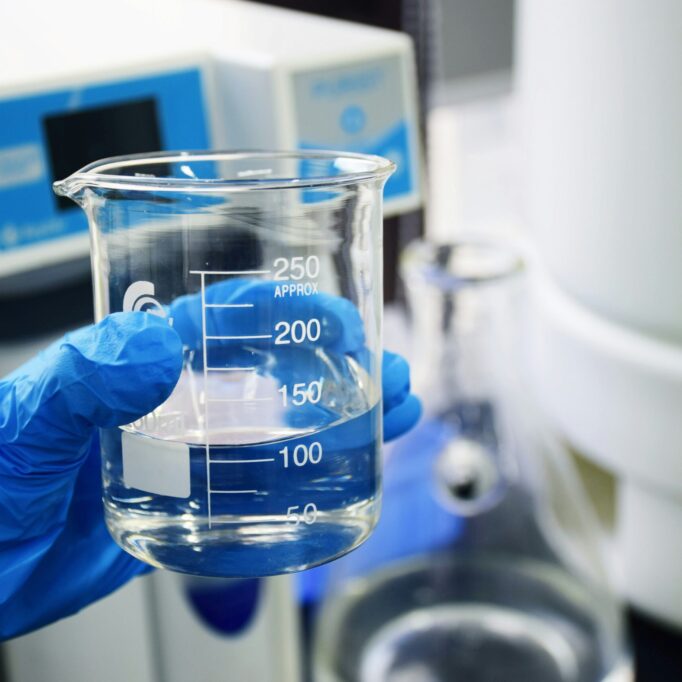
• Evaluates water suitability for intended use
• Assesses salinity, pH, sodium, and mineral content
• Screens for microbial contamination and water quality risks
• Supports soil health and crop productivity
• Assists livestock and environmental management
• Improves long-term sustainability and water-use efficiency
Fertiliser Analysis

• Verifies nutrient content and product quality
• Confirms formulation accuracy and consistency
• Identifies contamination or nutrient imbalances
• Supports efficient nutrient management programmes
• Improves crop, forage, and vegetation performance
• Assists with quality assurance and regulatory compliance
Lime Analysis
• Evaluates calcium and magnesium content
• Determines neutralising value and effectiveness
• Assesses particle size distribution
• Supports accurate lime application rates
• Improves soil pH and nutrient availability
• Enhances plant growth and rehabilitation success

Compost Analysis

• Evaluates nutrient content and organic matter quality
• Assesses compost maturity and stability
• Measures salinity and potential environmental risks
• Supports soil health and biological activity
• Enhances nutrient cycling and sustainability
• Ensures compost quality and consistency for land application